Demokracia në Veprim ka dalë me një komunikatë për media në lidhje me zgjedhjet e mbajtura sot në katër komunat në veri të vendit, raporton Gazeta Blic.
Sips Demokracisë në Veprim, zgjedhjet në veri- të improvizuara e të bojkotuara nga komuniteti serb.
Njoftimi i plotë:
Komubikatë për Media
???: ????????? ??̈ ???? – ??̈ ???????????? ? ??̈ ?????????? ??? ?????????? ????
“Demokracia në Veprim” përmes ekipeve mobile ka vëzhguar sot procesin zgjedhor në katër komunat veriore të vendit – Mitrovicë e Veriut, Leposaviq, Zveçan dhe Zubin Potok. Vëzhguesit tanë kanë vizituar pothuajse të gjitha qendrat e votimit të hapura në këtë pjesë.
Refuzimi i subjekteve politike nga komuniteti serb për të marrë pjesë në zgjedhje, si dhe tërheqja e kandidaturave pas certifikimit nga KQZ, ka rezultuar me bojkotim të zgjedhjeve nga ana e votuesve të komunitetit serb në këtë pjesë. Në këtë drejtim, rol kanë luajtur edhe thirrjet dhe kërkesat e vazhdueshme të Listës Serbe për mospjesëmarrje në zgjedhje të votuesve serb.
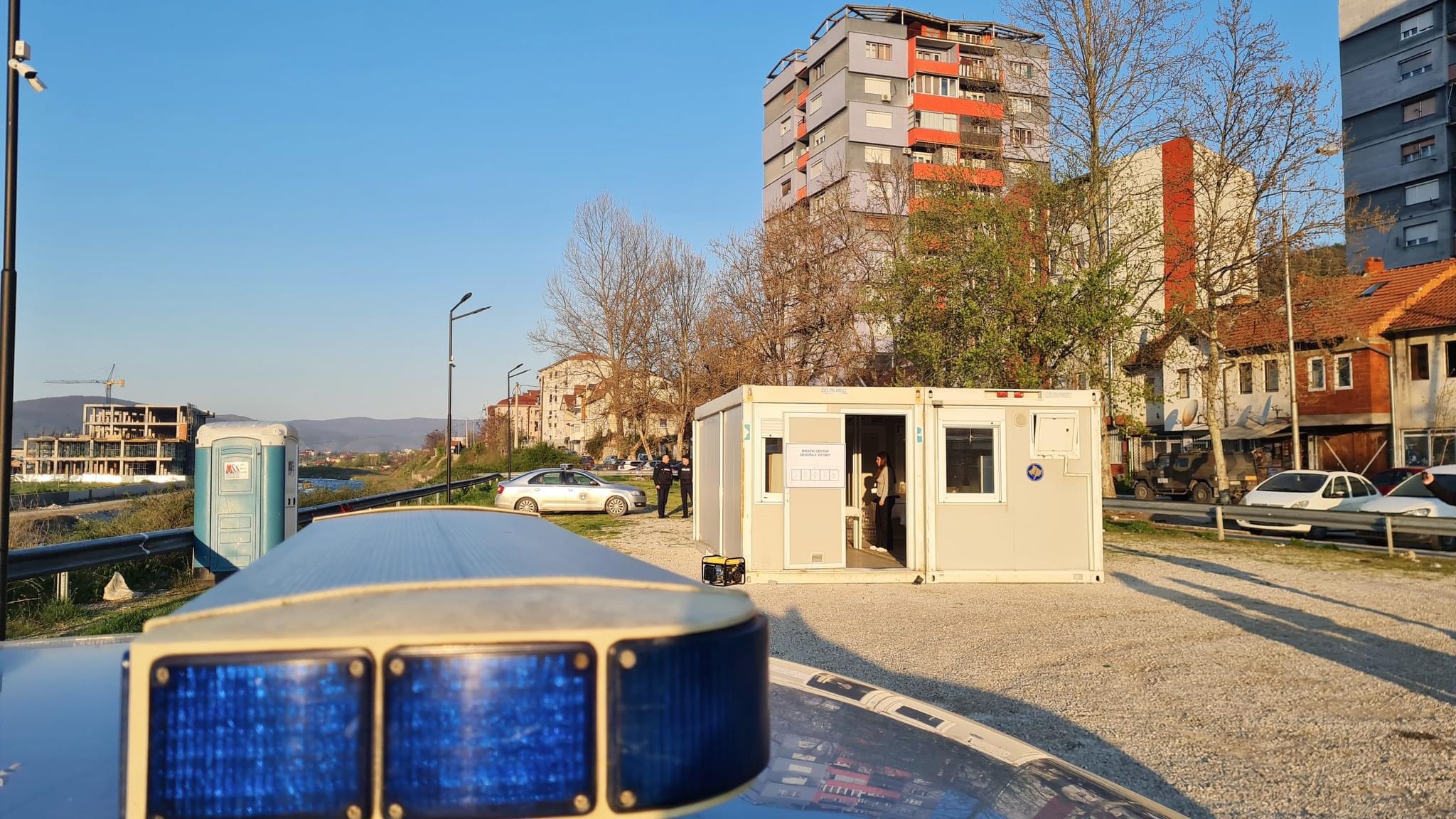
Sa i përket administrimit të zgjedhjeve, është vërejtur një improvizim i procesit zgjedhor, duke nisur nga zhvillimi i zgjedhjeve në kontejnerë, që kanë zëvendësuar rreth 70% të qendrave të zakonshme të votimit. Qendrat e improvizuara të votimit kanë qenë të vendosura përgjatë rrugëve magjistrale, larg zonave të banuara, duke qenë kësisoj vështirë të arritshme nga votuesit potencial. Gjithashtu, shumica e vendvotimeve kanë qenë të fuzionuara në qendra alternative të votimit, ku numri i votuesve të regjistruar për qendër ka arritur deri në rreth 6 mijë sosh.
Siguria e procesit zgjedhor është garantuar nga Policia e Kosovës, e cila ka pasur prezencë në afërsi të të gjitha qendrave të votimit. Si rrjedhojë, procesi zgjedhor është përmbyllur pa asnjë incident apo kërcënim të integritetit të procesit zgjedhor.
Përveç nga DnV-ja, procesi zgjedhor në secilën qendër të votimit është vëzhguar edhe nga vëzhgues të dy organizatave jo-qeveritare lokale që veprojnë në veri të vendit.
Përderisa në zonat e banuara nga komuniteti serb ka pasur bojkotim pothuajse të plotë të zgjedhjeve, në zonat e banuara nga komuniteti shqiptar, është evidentuar një trend më i lartë i daljes në votime.
Në këtë mënyrë, ndonëse zgjedhjet plotësuan kriteret minimale ligjore, ato nuk garantojnë legjitimitet politik e përfaqësues të institucioneve që do të prodhohen nga to.
**
???: ?????? ?? ?????-? ????????????? ? ??????????? ?? ?????? ?????????
“Demokratija na Delu” je danas preko mobilnih timova posmatrala izborni proces u četiri opštine na severu Kosova – Severnoj Mitrovici, Leposaviću, Zvečanu i Zubinom Potoku. Naši posmatrači su obišli skoro sva biračka mesta otvorena u ovom delu.
Odbijanje političkih subjekata iz srpske zajednice da učestvuju na izborima, kao i povlačenje kandidatura nakon overe CIK-a, rezultiralo je bojkotom izbora od strane birača srpske zajednice u ovom delu. U tom pravcu su svoju ulogu odigrali i stalni pozivi Srpske liste za neučešće srpskih birača na izborima.
Što se tiče administracije izbora, primećena je improvizacija izbornog procesa, počevši od izbornog procesa u kontejnerima, koji su zamenili oko 70% uobičajenih biračkih centara. Improvizovani birački centri locirani su duž glavnih puteva, udaljeni od stambenih naselja, pa su za potencijalne birače bili teško dostupni. Takođe, većina biračkih mesta je spojena u alternativne biračke centre, gde je broj upisanih birača po centru dostigao oko 6.000.
Bezbednost izbornog procesa garantovala je Kosovska policija, koja je bila prisutna u blizini svih biračkih mesta. Kao rezultat toga, izborni proces je završen bez ikakvih incidenata ili ugrožavanja integriteta izbornog procesa.
Pored DnV-a, izborni proces u svakom biračkom centru posmatrali su i posmatrači dve lokalne nevladine organizacije koje deluju na severu zemlje.
Dok je u sredinama naseljenim srpskom zajednicom došlo do gotovo potpunog bojkota izbora, u sredinama u kojima živi albanska zajednica evidentan je veći trend glasanja.
Na ovaj način, iako su izbori ispunili minimalne zakonske kriterijume, oni ne garantuju politički i reprezentativni legitimitet institucija koje će se iz njih nastati.
**
???: ????????? ?? ??? ????? – ?????????? ??? ????????? ?? ??? ??????? ?????????
“Democracy in Action”, through mobile teams, has today observed the election process in the four northern municipalities of the country – North Mitrovica, Leposavic, Zveçan and Zubin Potok. The DiA observers have visited almost all polling stations in these localities.
The refusal of political parties from the Serb community to participate in the elections, followed by the withdrawal of candidacies after being certified by CEC, has resulted in a boycott of the elections by the voters of the Serbian community. In this direction, the continuous calls and requests from Lista Srpska to the Serb community to boycott participation in the elections also played a role.
As for the administration of the elections, an improvisation of the election process has been observed, manifested through organizing the elections in mobile containers – replacing almost 70% of the usual polling centres. Improvised polling centres have been placed alongside roads, far from residential areas and in difficult reach for potential voters. Also, most of the polling stations have been merged into alternative polling centres, where the number of registered eligible voters per centre has reached six thousand.
The security of the election process was guaranteed by the Kosovo Police, which was located very close to each of the polling centres. As a result, the electoral process was concluded without any incident, which could undermine the integrity of the process.
In addition to DiA, the election process in each of the polling centres was observed through observers coming primarily from two local non-governmental organizations operating in the north of the country.
While in Serb-populated areas, there was almost a complete boycott of the elections by the voters, in the areas inhabited by the Albanian community, a higher voter turnout was registered.
To this extent, although elections met the minimum legal criteria, they do not guarantee the political legitimacy and representation of the institutions which will derive as a result of such elections.